
Inside Pixmove Games: From Game Ideas to the Next Creative Shift in iGaming
Severin Vervald has over 10 years of experience in building a wide range of iGaming, betting, and lottery products. Throughout his career, he has worked across multiple roles, from testing and development to team management and launching products in new markets.
LinkedIn →🎙️ Could you take us through how a Pixmove game develops from an initial concept to a finished release?
First, the idea appears. In our team, ideas are given a lot of attention: any studio employee can propose a vision for a new game, from a junior team member to top management.
The initial idea is discussed with mathematicians and programmers and goes through an early feasibility check: whether it is actually possible to build and whether it would be fun to play.
Then the idea’s author prepares the first full description of the game, the design document. This file outlines the overall concept of the game, its internal mechanics, and preliminary design directions.
After that, the design document is passed to the artists, who create the game assets based on their own choices or on already existing concepts.
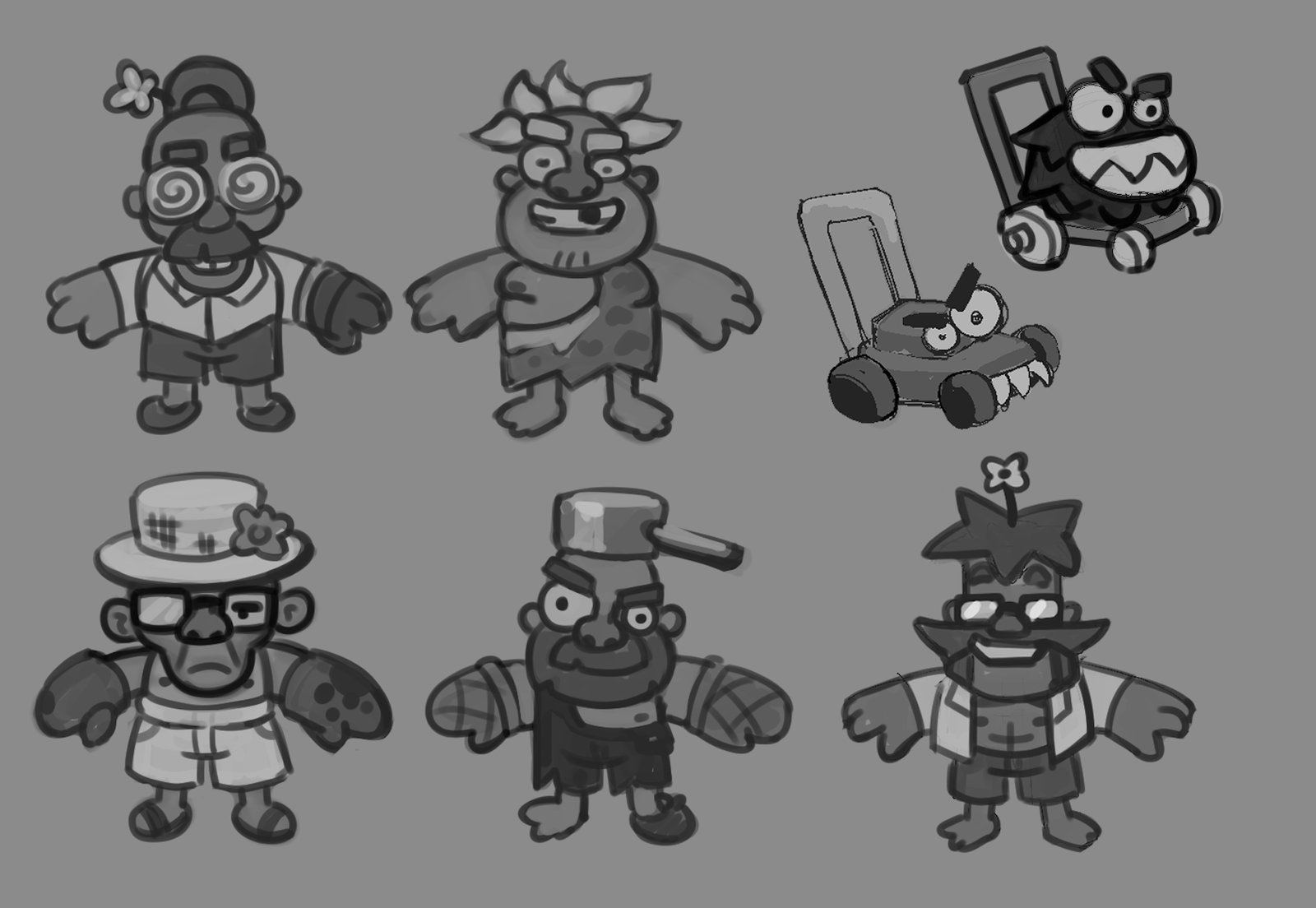
Next, the assets and the mathematical model are brought together into one product by our developers.
After approval and review, the game goes to the QA department, where it undergoes comprehensive testing of both technical aspects and mathematics.
Then the game moves into the release-preparation stage, and several operators that work with us are offered the opportunity to place it in pre-release on their products. This is how we test demand for the game and which audience it fits best.
Only after that does the final full release take place, which we announce across our channels, including https://www.linkedin.com/company/pixmove-games.
🎙️ Which aspect of game development do you feel deserves greater creative attention?
The search for new mechanics and new ways to evolve familiar ones. Otherwise, at some point, we may find ourselves moving in a closed loop, creating copies of copies of previous successful games. That is why constant exploration in this direction matters, not only from a creative perspective, but also from a business point of view.
Of course, not every innovative mechanic will become successful, but the fact that such mechanics appear at all already gives colleagues a push, they may see opportunities to build something new based on that idea.
Beyond mechanics, it is also important to search for memorable characters and settings. We always want to do more than create yet another game about fruits or classic coins, we want to tell a story through the environment, symbols, and characters of a slot or instant-win game.
Does it always work? No, not always. But when it does, the game becomes memorable for both players and operators. Recognition creates its own boost: such games are more likely to be promoted and more likely to bring players back.
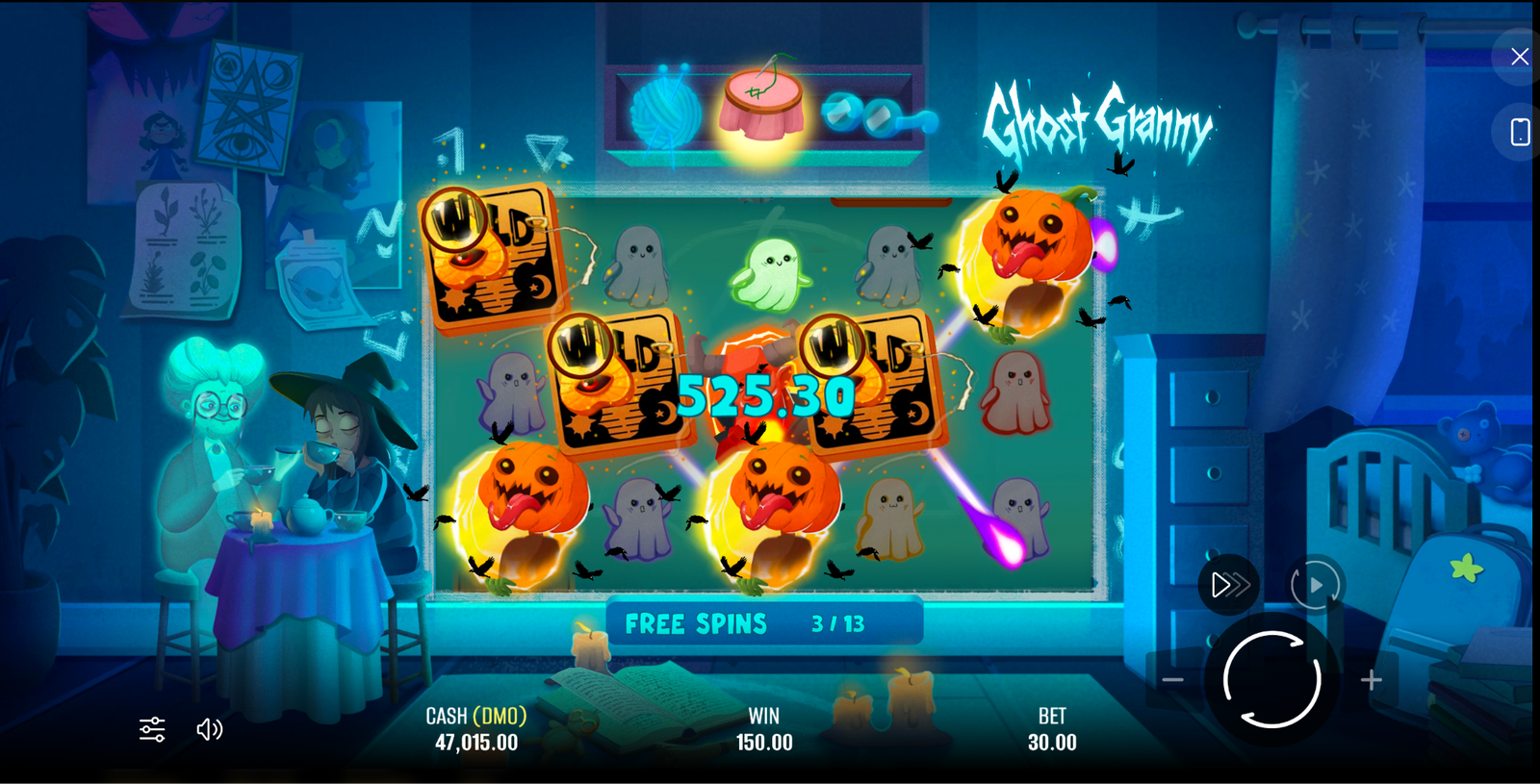
One example is our slot Ghost Granny, which tells the story of a girl who uses a Ouija board to summon the spirit of her grandmother in order to have tea with her.
All of this is built into the game’s narrative, and even the bonus game continues that story line: there, you need to collect items connected to the grandmother in order to extend both the bonus round and the tea party.
🎙️ What's one creative practice that has become a defining part of your studio culture?
Creative freedom. As mentioned earlier, anyone on the team can propose an idea. But another part of this is that we do not limit artists in their choice of settings and styles for games, that is exactly what creates variety in our portfolio. We encourage authorship and the opportunity to bring ideas to life, and that is how unique, characterful games are created.
It can be any of our games: Rotten Bottom, with its dark deep-sea aesthetic, the futuristic Cyber Snack, or even Slot Creek, inspired by Gravity Falls. Any idea can find its way into the content we create and the content players choose.
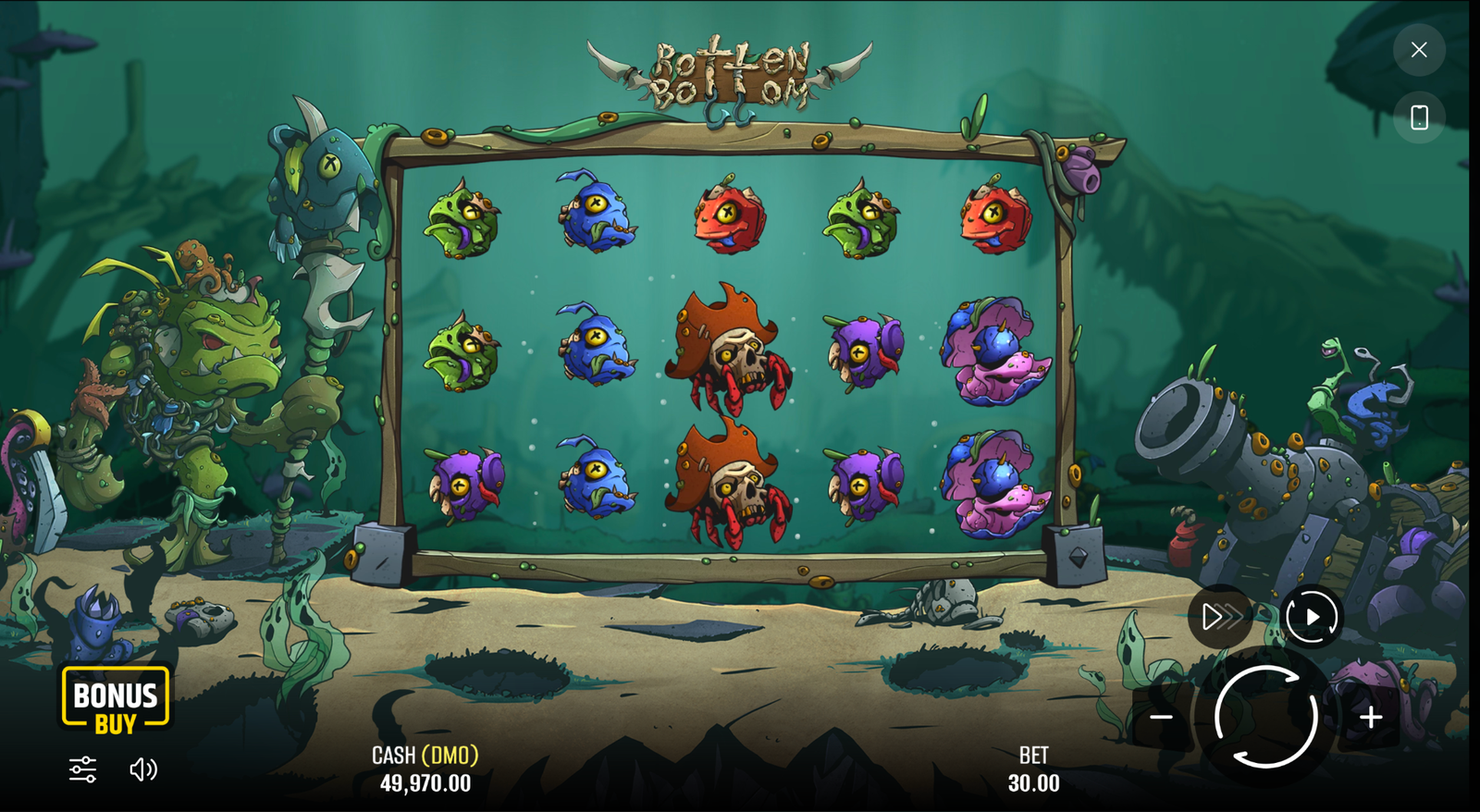
This is what shaped our identity: we do not just create games; each of them also tells a story. And our artists’ and animators’ experience from the entertainment industry makes not only the wins interesting, but the gameplay itself as well.
🎙️ If one Pixmove game had to represent the studio over the next decade, which would you choose, and why?
That is a difficult question, especially in a world where everything changes so quickly, and the iGaming industry changes even faster. We have many games we are proud of, and many of them are loved for different reasons. But ten years? It would be hard to choose only one game for such a long period. We have many plans and ideas that we want to reveal in future releases.
🎙️ Where do you think the next major creative shift in iGaming will come from?
It is already happening — and it is AI. As neural networks become more advanced, the profession of artists will change. It does not matter what we call them, neuro-creators, creators, or prompt engineers, what will matter is not only the ability to create and process images. The key qualities will be taste, visual literacy, and the ability to describe an idea to AI so it can be realized.
Even now, routine work can be accelerated through image generation and manual polishing. In the future, this will open up endless artistic possibilities and new ideas for bringing them to life.
Share your creative journey
Tell your story through a dedicated iGamity spotlight video or written.
Get featured