
In iGaming, visual communication moves at an incredibly fast pace. Players are exposed to hundreds of campaigns, interfaces, characters, and promotional experiences every single day. In such a crowded environment, strong design is no longer only about aesthetics. It is about recognition, emotional connection, and creating experiences users instantly understand and remember.
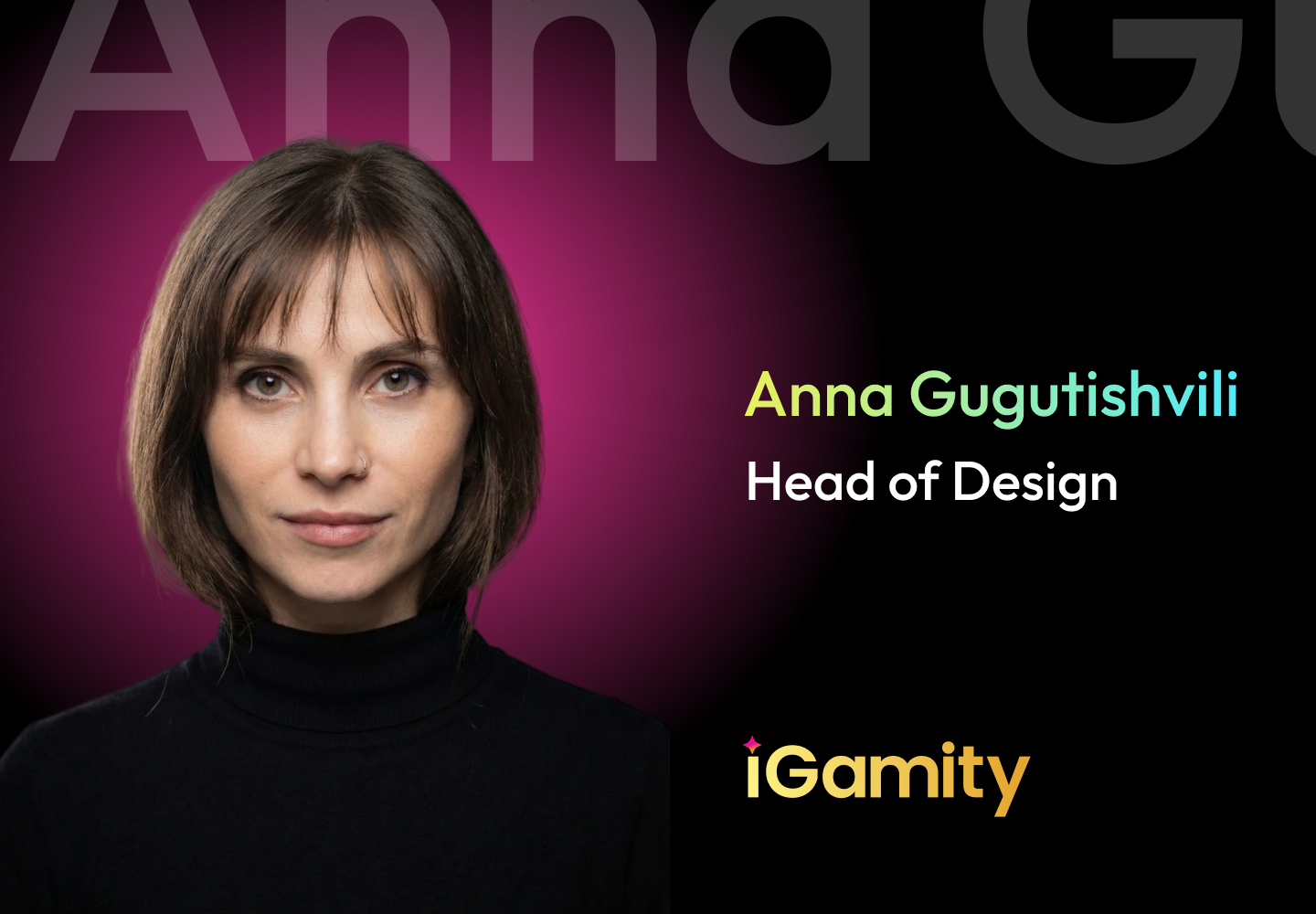
According to Anna Gugutishvili, Head of Design, the foundation of successful creative direction in iGaming lies in building a unified visual system where branding, UI, motion, storytelling, campaigns, and communication all work together as one connected experience.
Building a Strong Visual Strategy Across Every Touchpoint
A strong visual strategy is not simply about making something look attractive. The real challenge is creating visuals that are instantly recognizable while remaining easy for users to understand.
In the iGaming industry, consistency plays a major role in building trust. If a company presents a bold and energetic identity in its marketing campaigns, but the actual product experience feels disconnected or generic, users quickly lose emotional confidence in the brand.
Visual strategy becomes most effective when every touchpoint feels unified. Typography, motion, composition, promotional assets, UI behavior, and even communication tone should reinforce the same identity.
Anna emphasizes that visuals in iGaming also serve a functional purpose. They are not created only to look impressive. They must support engagement, improve communication, and help users navigate experiences naturally. Even small adjustments in hierarchy, motion, or layout composition can significantly affect how audiences respond to campaigns.
This is why strong visual direction is essential. It creates experiences that players remember, trust, and emotionally connect with over time.
Why Design Systems Matter More Than Style Guides
One of the biggest challenges for creative teams is not building a design system. It is ensuring that teams actually use it correctly.
A successful design system should feel practical and intuitive for designers, even if the structure behind it is highly detailed and complex. The goal is to balance creative flexibility with strong brand consistency.
In iGaming, teams often work under extremely tight production schedules while handling multiple campaigns simultaneously. Without a clear system, inconsistencies quickly appear across typography, layouts, buttons, promotional structures, and UI elements. Over time, this weakens brand identity and slows production efficiency.
Anna believes the strongest systems focus not only on reusable assets, but on reusable logic.
By establishing clear rules for hierarchy, color usage, motion, and composition, teams can make faster decisions while maintaining a visually unified experience across products and campaigns.
Education is another essential part of the process. Designers should understand the reasoning behind systems instead of following guidelines through simple copy-paste execution. Regular reviews, communication, and collaboration help design systems evolve together with products and creative teams.
Without evolution, even strong systems quickly become outdated.
Moving Designers Beyond Execution Into Ownership
Creative leadership becomes most effective when designers feel ownership over their work.
According to Anna, designers naturally think deeper and explore stronger solutions when they feel responsible for project outcomes instead of simply completing assigned tasks.
For example, a designer working on a tournament campaign may initially focus only on promotional banners. However, once they fully understand the campaign's goals, they may begin contributing ideas related to storytelling, motion direction, user journeys, or communication tone.
This deeper level of involvement often leads to stronger creative results.
Sometimes designers also explore ideas beyond the original brief. While this can create additional work, it frequently opens opportunities for unexpected creative solutions and more impactful campaigns. This is where strong art direction becomes important. Leadership must guide experimentation while helping teams remain focused on project objectives.
Transparency and feedback also play a major role in developing creative problem-solving.
When designers understand how their decisions influence real business results, such as engagement, retention, or brand recognition, they begin thinking more strategically about their work.
Anna also believes that creative leadership depends heavily on psychological safety inside teams. Designers should feel comfortable sharing ideas, asking questions, discussing challenges, and thinking critically instead of simply following instructions.
That environment transforms creatives from executors into true problem solvers.
The Difference Between Attractive and Impactful Design
Visually appealing work alone is not enough.
If design fails to communicate clearly or create emotional connection, it rarely leaves a lasting impact. Strong design combines aesthetics with meaning, strategy, and user understanding.
Many campaigns may look visually impressive at first glance, yet users quickly forget them because they lack emotional depth or a clear message. Meanwhile, simpler campaigns often become memorable because they create recognizable identity, emotional resonance, or meaningful storytelling.
The most impactful creative work succeeds because it makes people feel something while also delivering communication clearly and effectively.
Memorability is what separates decoration from meaningful design.
The Importance of Creative-First Platforms in iGaming
The iGaming industry operates under intense deadlines and high production demands. As a result, creative teams become highly adaptable and solution-oriented. However, many valuable lessons, workflows, and creative processes often remain internal within studios and companies.
Anna sees platforms like iGamity as an important step toward changing that.
By openly discussing topics such as creative leadership, design systems, AI integration, campaign production, and visual strategy, creative-first platforms help professionals across the industry learn from each other's experiences.
More importantly, they create opportunities for creatives to share challenges, ideas, and new ways of thinking.
As the industry continues evolving, these conversations will play a major role in shaping the future of design leadership in iGaming. iGamity Talks Hub