
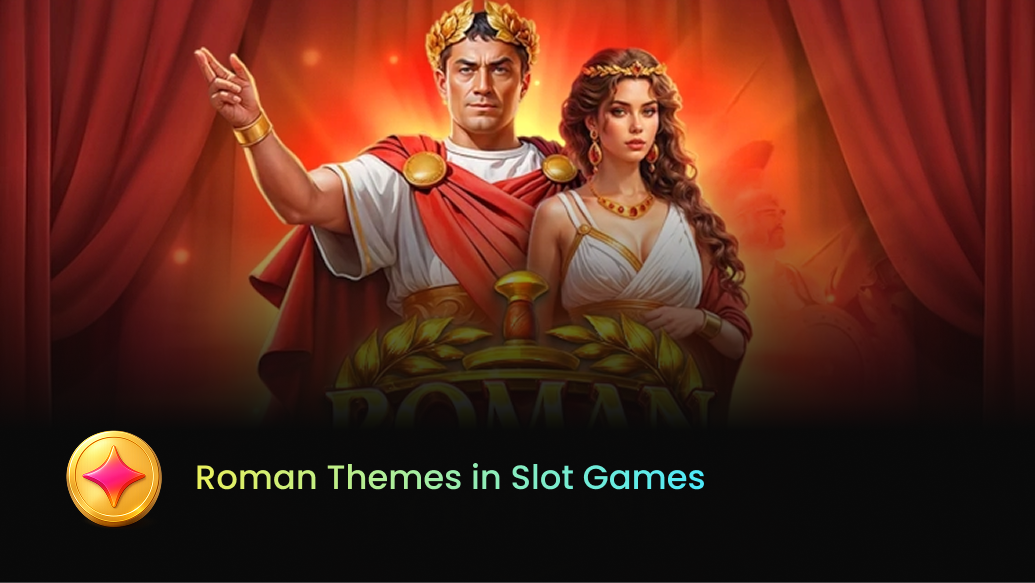
How the grandeur of ancient Rome continues to inspire creativity in modern iGaming.
Ancient Rome has influenced art, architecture, literature, and entertainment for centuries. Its remarkable history, legendary leaders, grand arenas, impressive engineering, and rich mythology continue to capture imaginations around the world.
In iGaming, Roman-inspired themes remain a popular choice for developers looking to create immersive worlds filled with majestic temples, powerful emperors, fearless gladiators, and iconic landmarks. Rather than focusing solely on history, these games blend historical inspiration with creative storytelling, vibrant artwork, and engaging gameplay.
Let's explore what makes Roman themes such an enduring part of modern slot game design.
A Theme Rooted in History
The Roman Empire was one of the largest civilizations in history, leaving behind architectural masterpieces, military achievements, and cultural traditions that continue to influence the modern world.
These historical elements provide developers with a rich creative foundation for building memorable gaming experiences.
Common inspirations include:
- Roman emperors
- Gladiator arenas
- Ancient temples
- Marble statues
- Victory wreaths
- Roman soldiers
- Chariots
- Imperial palaces
- Aqueducts
- Historic cityscapes
Each element contributes to creating a world that feels grand, recognizable, and visually striking.
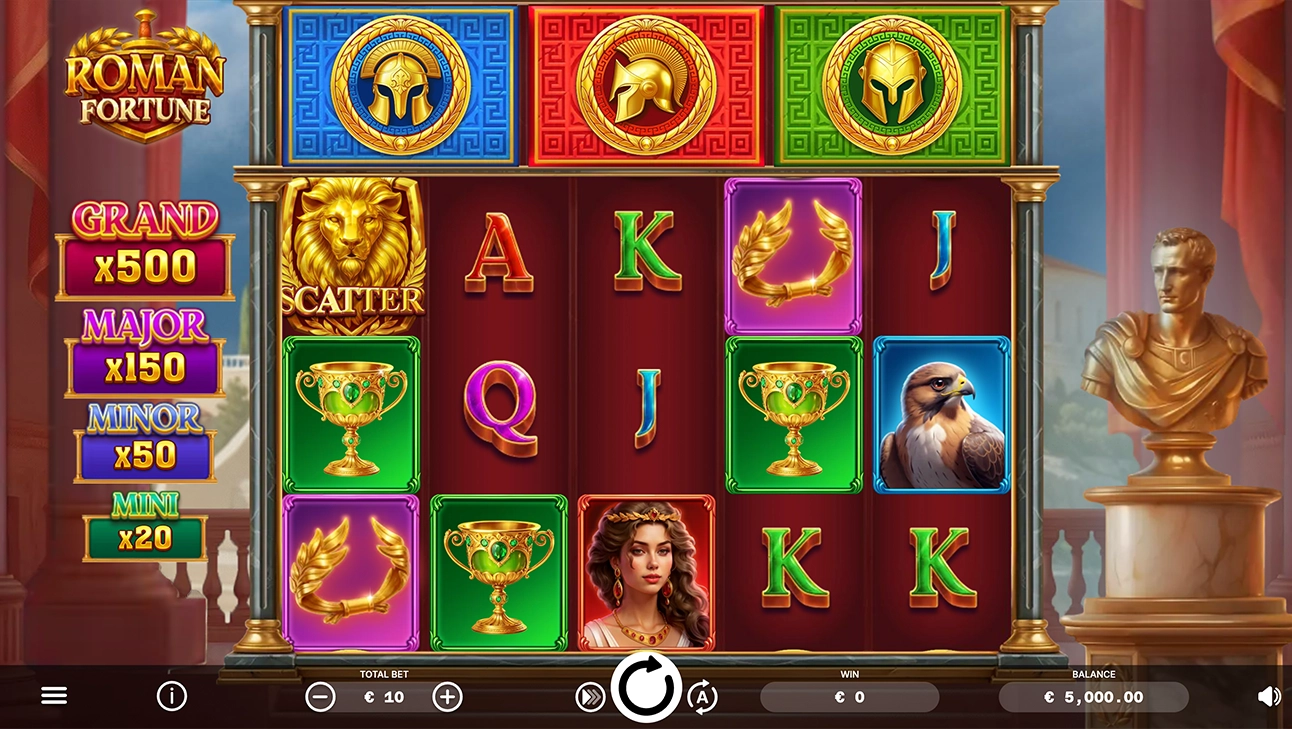
Grand Architecture Creates Memorable Worlds
One of the defining characteristics of Roman-themed games is their architectural beauty.
Massive stone columns, magnificent arches, marble floors, ancient forums, and monumental temples immediately establish the atmosphere before gameplay even begins.
Developers often use:
- Golden accents
- Classical sculptures
- Decorative mosaics
- Torch-lit environments
- Monumental staircases
- Ornate palace interiors
These visual details help create environments that feel both historic and cinematic.
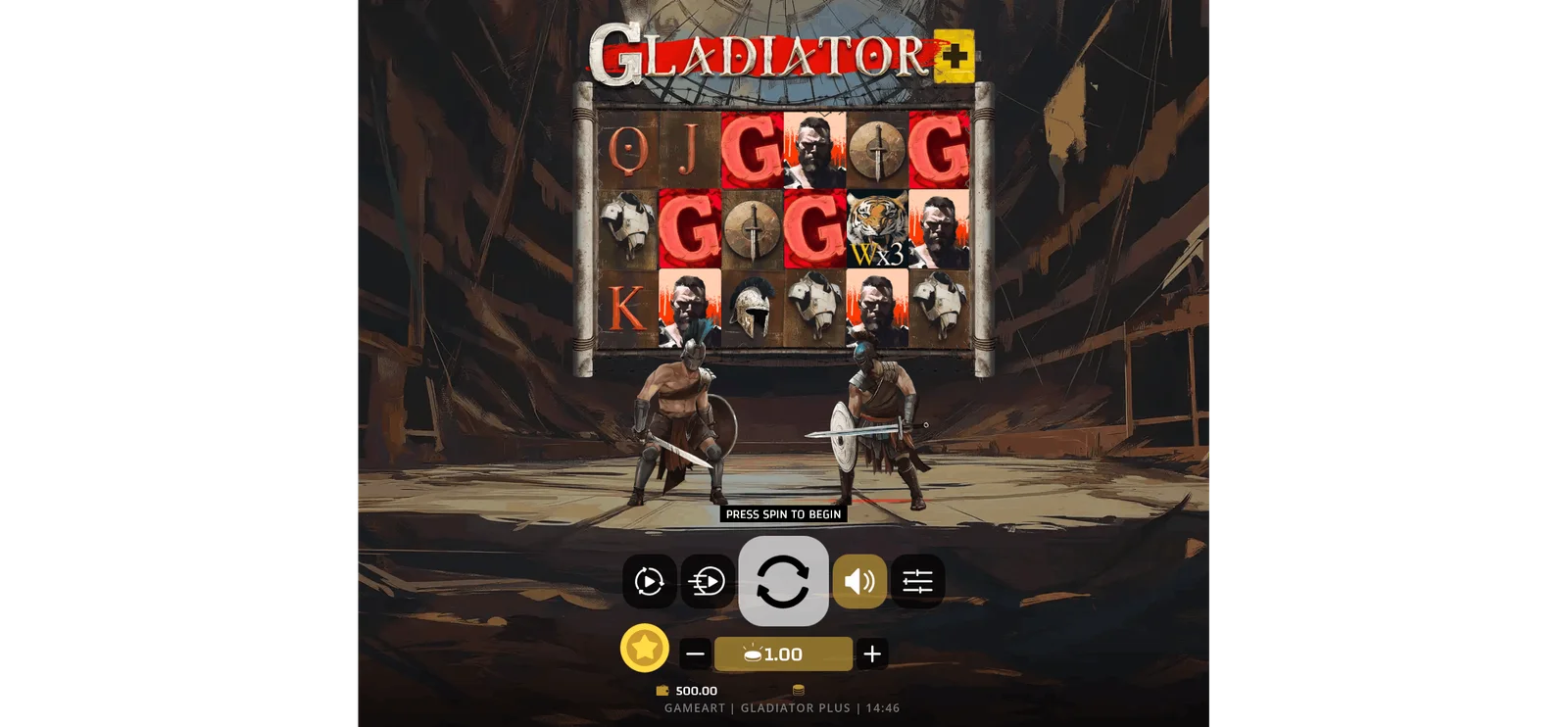
Gladiators and Arena Adventures
Few symbols represent ancient Rome more than gladiators.
Inspired by the legendary arenas of the Roman Empire, many games incorporate armored warriors, shields, helmets, swords, and grand stadiums to create action-filled adventures.
These settings naturally support exciting animations, dramatic bonus sequences, and heroic storytelling while celebrating one of history's most recognizable traditions.
Roman Mythology Adds Another Layer
Roman mythology frequently appears alongside historical settings.
Characters inspired by Jupiter, Mars, Venus, Neptune, Mercury, and other legendary figures bring fantasy elements into Roman-inspired worlds.
This combination allows developers to merge mythology with historical architecture, creating visually rich experiences where ancient gods, magical powers, and legendary artifacts become part of the gameplay.
Related article: Mythology in Slots: Building Worlds Beyond Ancient Legends
Symbols That Define the Theme
Roman-themed games often feature symbols inspired by everyday life and imperial culture.
Common examples include:
- Laurel wreaths
- Roman helmets
- Eagle emblems
- Golden goblets
- Marble columns
- Imperial crowns
- Ancient coins
- Scepters
- Shields
- Scrolls
These familiar objects immediately communicate the theme while supporting the game's overall visual identity.
Music and Sound Complete the Experience
Visual design is only one part of building an immersive Roman world.
Sound design also plays an important role by introducing:
- Orchestral music
- Ceremonial trumpets
- Marching rhythms
- Arena ambience
- Ancient ceremonial instruments
Together, music and environmental audio reinforce the atmosphere and make every moment feel more cinematic.
Related article: The ROI of Creativity
Why Roman Themes Continue to Inspire Developers
Roman history offers remarkable creative flexibility.
Developers can create games focused on:
- Historical adventures
- Imperial leadership
- Legendary warriors
- Ancient architecture
- Mythological stories
- Treasure discoveries
- Military campaigns
- Royal celebrations
This variety allows every Roman-inspired game to develop its own personality while remaining connected to a recognizable historical setting.
Blending History with Creative Design
Modern Roman-themed games rarely attempt to recreate history exactly as it happened.
Instead, studios use historical inspiration as the foundation for imaginative worlds filled with artistic interpretation, fantasy elements, cinematic storytelling, and engaging gameplay mechanics.
This creative freedom allows developers to celebrate Roman culture while delivering experiences designed specifically for modern audiences.
Roman Themes Continue to Shape iGaming
Even as new themes emerge each year, Roman-inspired games continue to hold a special place in the industry.
Their combination of historical inspiration, monumental architecture, legendary characters, mythology, and dramatic storytelling creates experiences that remain visually impressive and instantly recognizable.
As technology continues to evolve, developers have even greater opportunities to build detailed Roman worlds through advanced animation, immersive sound, and innovative gameplay mechanics, ensuring this timeless theme continues to inspire future generations of slot games.
Discover More with iGamity
At iGamity, we explore the creativity behind game themes, innovative mechanics, studio stories, and the people shaping the future of iGaming.
Whether you're interested in art direction, storytelling, game development, or industry trends, we bring you closer to the ideas behind today's most creative games.
Collaborate with iGamity
Studios and operators looking to showcase their latest games, creative vision, or innovations can collaborate with us through:
- Studio Spotlights
- Creative Talks
- Sponsored Features
- Industry Articles
- Game Reviews
Email: info@igamity.com