
Broken Ballerina
🎰 Instant Win of the Day: Broken Ballerina
🎨 Art | 🖥️ Animation | 🔊 Sound
🏢 Studio: GameArt
🔗 Game Link: https://gameart.net/game/broken-ballerina/
|
RTP:
96.04%
|
Volatility
Medium
|
⭐ WHY IT MATTERS ⭐
Broken Ballerina stands out through its emotionally driven Gothic theater presentation, transforming a tragic ballet fantasy into a cinematic dark fantasy experience steeped in atmosphere, restraint, and theatrical storytelling. The game art blends an abandoned opera aesthetic with captivating animation systems and haunting orchestral sound design, forging a slot identity rooted in melancholic grandeur rather than mere visuals.
Its greatest creative triumph lies in how every audiovisual layer reinforces the sensation of slowly reliving a forgotten performance within a haunted theatrical world.
🎨 ART
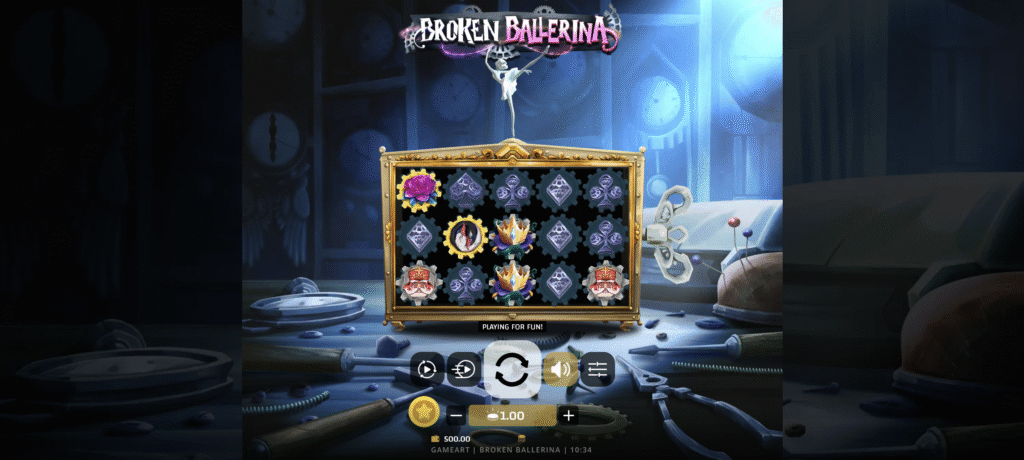
Broken Ballerina delivers a haunting Gothic theater fantasy, blending the aesthetics of an abandoned stage, tragic ballet imagery, and supernatural undertones into a visually atmospheric experience. The game is described as “darkly elegant” and “theatrical,” with its identity crafted around dilapidated opera house settings, ghostly ballerinas, shattered masks, and decaying stage designs.
The visual direction featuring deep crimson palettes, faded gold ornamentation, moonlit shadows, dusty velvet textures, and a candlelight ambiance creates an atmosphere that is both cinematic and emotionally restrained. Rather than relying on horror tropes, the game’s art frames the experience through tragic theatrical symbolism and a melancholic atmosphere.
The backdrop of the abandoned theater serves as a central environmental anchor throughout the gameplay, reinforcing the sensation of stepping into a forgotten playhouse suspended between beauty and decay. The ballerina herself remains the emotional focal point of the performance, embodying the game’s themes of fragility, mystery, and haunting grandeur.
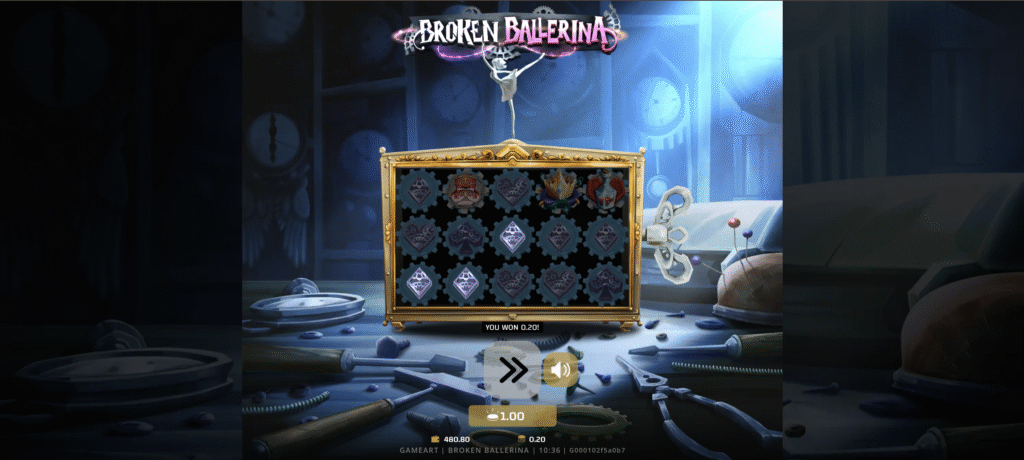
The artistry centers around highly detailed Gothic rendering and theatrical composition. Icons such as roses, masks, chandeliers, music boxes, and ballet inspired objects are rendered with refined textural work and layered lighting, enhancing environmental depth while preserving gameplay readability.
The game highlights the “beautifully haunting visuals” and “cinematic dark-fantasy presentation,” emphasizing the strength of its environmental storytelling and theatrical staging. Flickering candlelight, drifting dust particles, cracked stage architecture, and dim spotlight effects all contribute to the sensation of slowly awakening within an abandoned theater during gameplay.
The visual hierarchy remains disciplined throughout, ensuring that feature icons and multipliers retain their prominence even amidst the remarkably detailed Gothic atmosphere.
The art direction creates an aesthetic of tragic beauty and theatrical mystery, where every spin is interwoven with an unfinished performance unfolding within a haunted theatrical world. The contrast between beautiful ballet imagery and decaying Gothic surroundings lends the game a unique emotional identity one rooted more in melancholy than in pure horror.
Rather than relying solely on visual spectacle, the game succeeds through its atmosphere and emotional tone. Its abandoned opera aesthetic, expressive character presence, and restrained visual pacing endow Broken Ballerina with a distinctive artistic identity one that feels elegant, cinematic, and emotionally immersive within the modern dark fantasy slot genre.
🎞 ANIMATION
In Broken Ballerina, animation is driven by environmental movement and feature triggered theatrical effects, creating a gameplay rhythm that feels deliberate, engaging, and emotionally dynamic. Rather than relying on rapid, arcade style motion, the game emphasizes subtle transitions and dramatic visual composition.
The pacing mirrors the emotional tone of the environment. Slow spotlight sweeps, drifting dust particles, flickering candles, and reactive stage lighting keep the theater visually alive while maintaining a controlled Gothic atmosphere.
Feature activations introduce more intense visual movement through shimmering reel overlays, theatrical transitions, and symbol transformations elements that feel seamlessly integrated into the stage setting rather than detached from it.
A strong animation identity emerges during bonus feature activations and Ballerina centric sequences, where the abandoned theater environment responds dynamically to gameplay progression. Reel highlights, dramatic lighting shifts, and ghostly stage effects reinforce the sensation that the performance space itself is coming to life. Character centric transformations are executed with cinematic precision. The dancer’s movements and transformation effects are expressed with fluidity and emotional depth, serving not merely as decorative animations but rather as elements that reinforce the game’s tragic, theatrical identity.
The animation framework establishes a Gothic theatrical tableau, wherein environmental motion and character driven effects blend seamlessly within a deeply cinematic atmosphere. Rather than relying on explosive feature sequences, the game achieves immersion through emotional pacing, environmental continuity, and controlled visual storytelling.
The abandoned stage setting, reactive lighting systems, and graceful character movements endow Broken Ballerina with a performance style that feels both artistically composed and emotionally resonant. This creates an experience where the animation supports the narrative atmosphere and emotional tone as the gameplay progresses.
🔊 SOUND
Broken Ballerina as featuring a haunting orchestral soundscape that blends piano melodies, a distant theatrical atmosphere, and Gothic atmospheric textures that reinforce its abandoned opera setting. The soundtrack aligns closely with the game’s emotional tone by emphasizing melancholy, grandeur, and suspense rather than aggressive intensity.
Soft strings, echoing stage ambiance, and controlled ensemble arrangements contribute to a soundscape that evokes a cinematic and emotionally sensitive atmosphere.
Sound design plays a crucial role in maintaining the game’s theatrical atmosphere. Feature activations, reel transitions, and ballerina focused sequences are supported by layered orchestral cues that heighten emotional engagement while maintaining an elegant cadence.
Environmental sounds such as creaking theater wood, distant echoes, and atmospheric reverb reinforce the sensation of standing within an abandoned performance hall. As bonus features intensify, the soundtrack subtly evolves through deeper orchestral layering and heightened dramatic tension.
The audio framework serves as the primary emotional pillar of the experience, forging a cohesive audiovisual identity that harmonizes with environmental animation and theatrical pacing. By maintaining strong thematic consistency across Gothic visuals, orchestral progressions, and character driven atmospheres, the game achieves a presentation style that feels cinematic, refined, and emotionally immersive.
This implementation reflects the strength of the game’s art direction in seamlessly blending atmospheric storytelling with visually elegant dark fantasy presentation systems.